

Research Progress
Global Food Security: A Systematic Project Involving Transdisciplinary Integration
A new comprehensive review published on July 20, in The Innovation Life, presents a whole‑industry‑chain perspective, arguing that sustainable animal agriculture requires not piecemeal improvements but integrated, cross‑scale solutions.
This cover article was conducted by Scientists led by Academician YIN Yulong from the Institute of Subtropical Agriculture (ISA) Chinese Academy of Sciences (CAS), associtated with an international consortium over 40 institutions.
Global food security is increasingly challenged by rising population, shifting diets and the environmental and health burdens of conventional livestock production. While individual technological advances have been made in breeding, nutrition and farming management, they are often implemented in isolation, failing to address the systemic nature of the problem.
In the review, six cutting‑edge technological pillars that span the entire production continuum are identified, which are advanced genomic breeding and genome editing, precision nutrition and alternative feed ingredients, smart farming with IoT and AI‑driven diagnostics, resource recovery from waste streams, automated welfare monitoring and the development of future foods such as cultured meat and alternative proteins. Each of these domains holds significant promise, yet their transformative potential can only be realised when they are designed to interact synergistically—for example, when precision feeding reduces waste, which in turn is recycled as inputs for feed or energy, while intelligent monitoring loops back to adjust breeding and nutrition strategies in real time.
Furthermore, a key insight of the review is the persistent disconnect between upstream research and downstream application, as well as the weak feedback from consumer and regulatory demands to basic science priorities. To overcome this, a transdisciplinary integration bridging animal science, environmental engineering, data science and food technology is acute demanded. Such integration would transform isolated technological breakthroughs into closed‑loop ecological systems, where by‑products of one stage become resources for another, and where decisions are continuously optimised based on real‑time data.
Looking ahead, three strategic directions are emphasised, system‑level optimisation of integrated production chains, expansion of genetic and alternative‑protein biobanks to enhance resilience, strengthened global cooperation to harmonise standards and accelerate knowledge transfer.
By treating healthy animal breeding as a systemic enterprise rather than a collection of discrete innovations, the scientific community and industry can collectively meet the growing demand for animal protein while safeguarding environmental health, animal welfare and food safety for future generations.
Contact: LI Fengna
E-mail: lifengna@isa.ac.cn
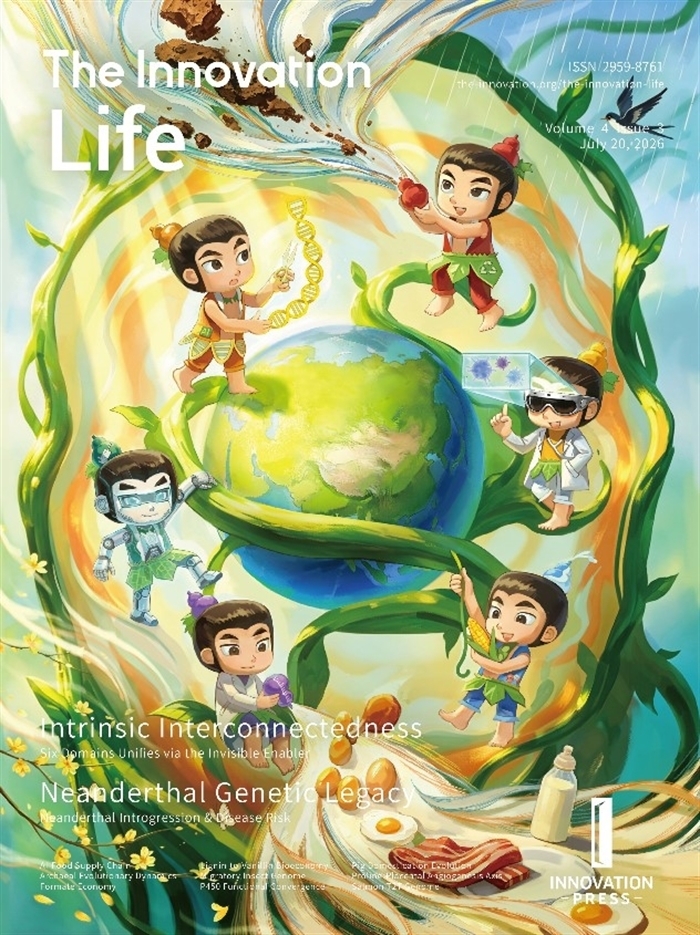
Fig.1 Cover story(Imaged by LI Qilong)
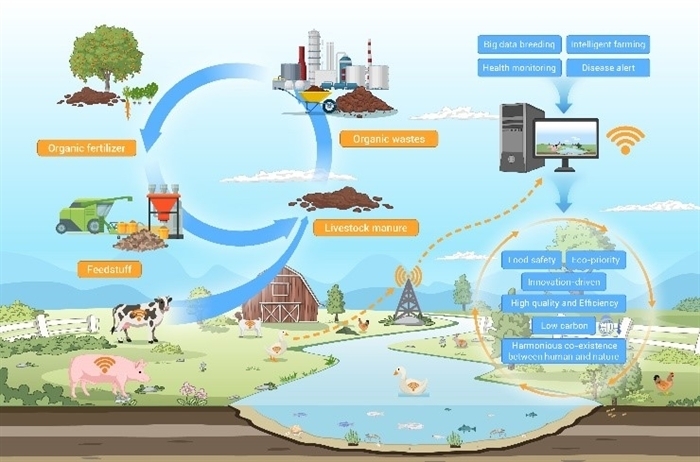
Fig.2 Graphical Abstract(Imaged by LI Qilong)
