

Research Progress
-
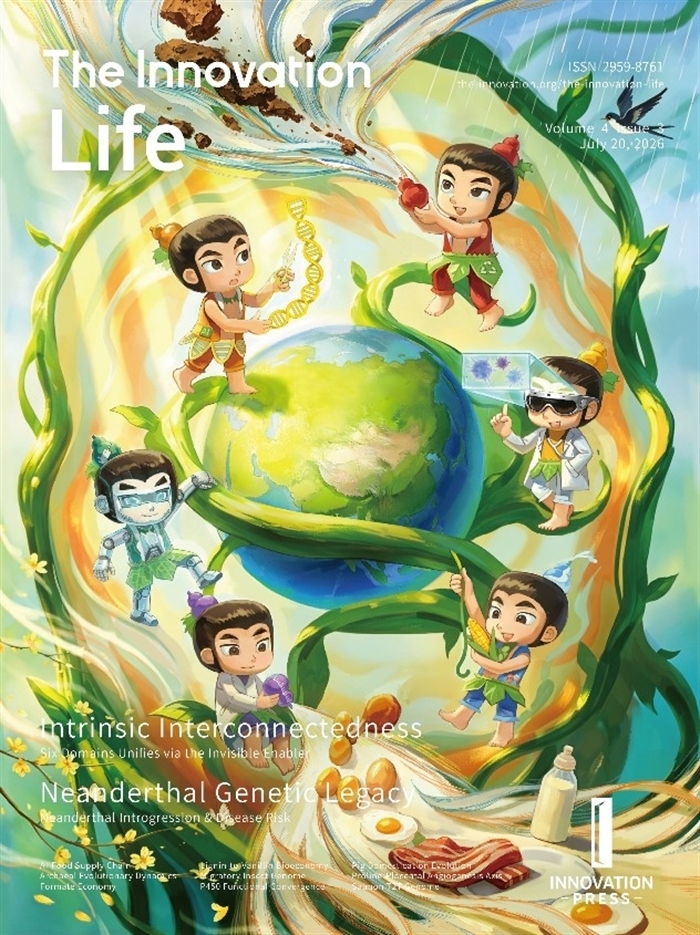 Global Food Security: A Systematic Project Involving Transdisciplinary IntegrationA new comprehensive review published on July 20, in The Innovation Life, presents a whole‑industry‑chain perspective, arguing that sustainable animal agriculture requires not piecemeal improvements but integrated, cross‑scale solutions.Jul 21, 2026
 -
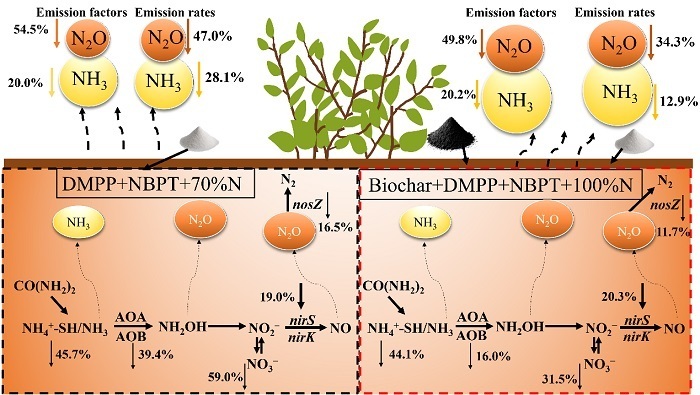 New Strategy for Reducing Nitrogen Losses and Sustaining Tea Production in the SubtropicsA team led by Prof. SHEN Jianlin from the Institute of Subtropical Agriculture (ISA) Chinese Academy of Sciences (CAS), provides a new strategy for addressing nitrogen pollution in intensively managed tea plantations.Jun 29, 2026
 -
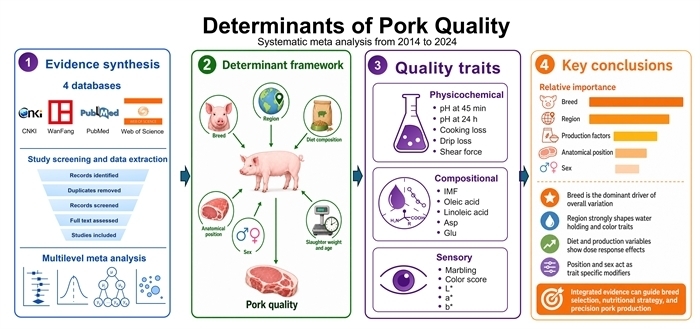 Researcher Identifies Key Determinants of Pork QualityA recent study published in Food Research International conducted a systematic meta-analysis to clarify how genetic, regional, slaughter-related, and nutritional factors shape pork quality. These findings support pork-quality improvement through coordinated breeding, region-adapted management, optimized slaughter decisions, and precision nutrition.Jun 24, 2026
 -
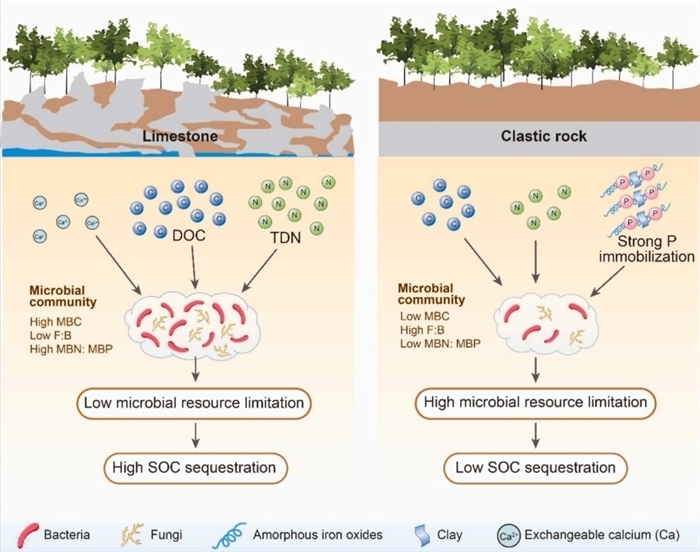 Lithological Controls on Soil Microbial Resource Limitation in Subtropical Forests of Southwest China, New ResearchIn a new research published in Catena, a team led by Prof. LI Dejun from the Institute of Subtropical Agriculture, Chinese Academy of Sciences, revealed that lithology, rather than climate, governs microbial resource limitation through soil geochemistry and microbial traits.Jun 23, 2026
 -
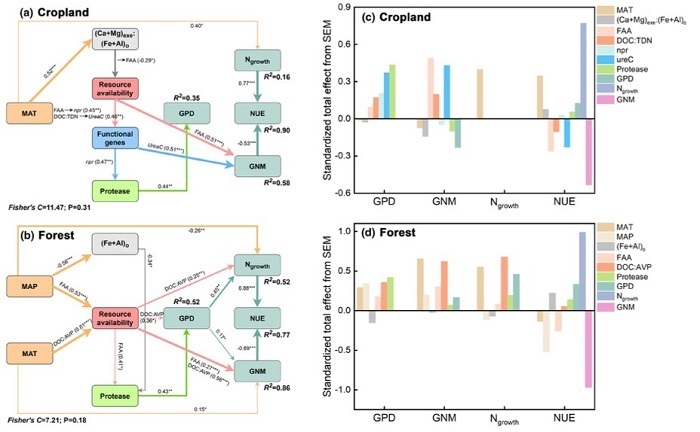 Land Use Practices: Predominantly Factors Impact Soil Nitrogen TransformationIn a study published in Functional Ecology on June 1, research team led by Pro. LI Dejun from the Institute of Subtropical Agriculture, Chinese Academy of Sciences, first revealed that land use type is the dominant factor regulating the climate responsiveness of soil organic nitrogen (SON) transformation. These findings provide critical insights into the mechanisms underlying land-type-specific nitrogen management strategies and global change modeling.Jun 10, 2026
 -
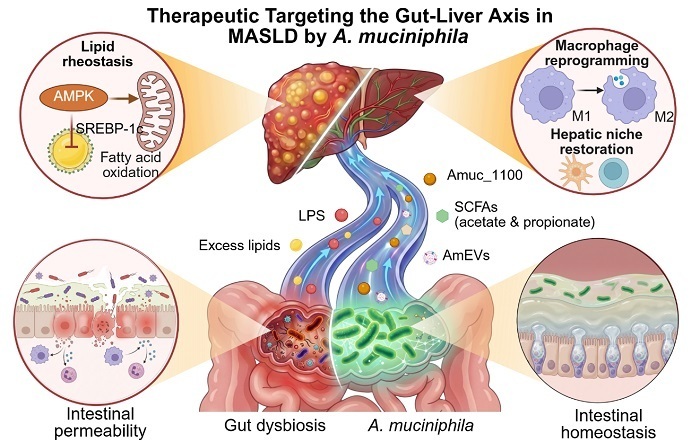 From "Local" Gut Barrier to "Systemic" Liver Protection, New ResearchMetabolic dysfunction-associated steatotic liver disease (MASLD) has quietly escalated into a global silent epidemic, affecting over a quarter of the world's population. As scientists search for ways to halt its progression from simple fatty liver to irreversible liver cancer, attention has turned to the "Gut-Liver Nexus"—the biological highway connecting our digestive tract to our metabolic engine.May 31, 2026
 -
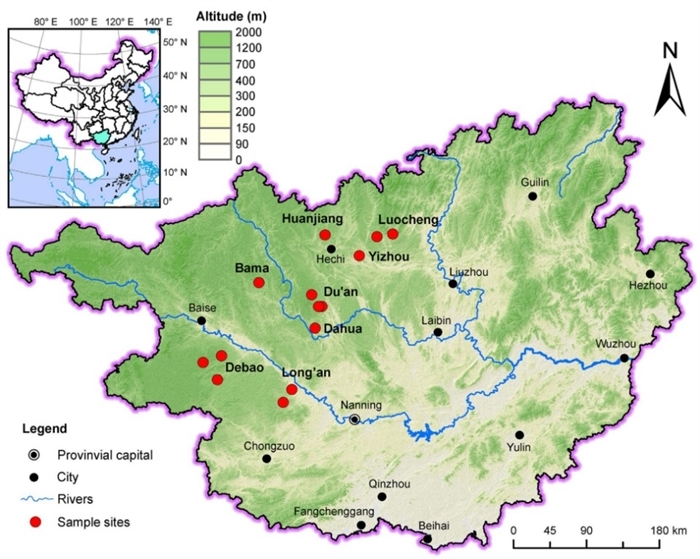 Microbial Necromass Dominates Organic Carbon Accumulation in Calcareous Soil Following Afforestation, New ResearchServing as a fundamental driver of the global carbon cycle and climate feedback systems, the dynamics of soil organic carbon (SOC) are critical for climate stabilization.May 29, 2026
 -
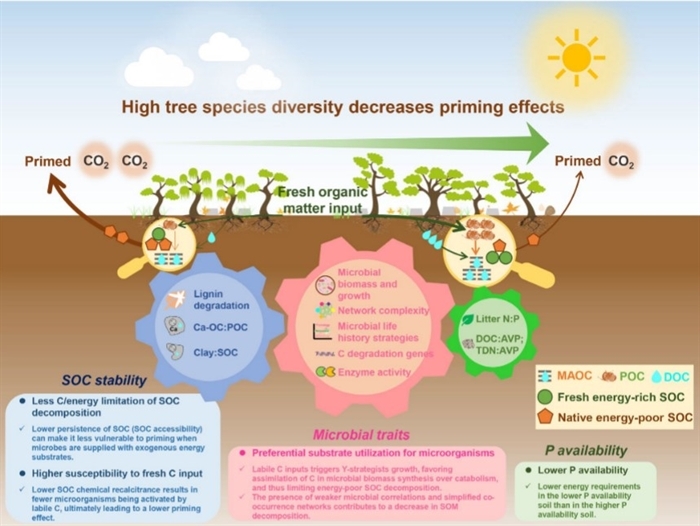 Chinese Scientists Revealed How Tree Species Diversity Suppresses Soil Carbon Priming Effects In Subtropical Karst ForestA research team led by Prof. Li Dejun from the Institute of Subtropical Agriculture, Chinese Academy of Sciences, provides the first evidence in a subtropical karst forest that tree species diversity can significantly suppress priming effects, and elucidates a novel synergistic regulatory mechanism centered on alleviating microbial energy limitation-functional guild transition-gene expression rewiring.May 29, 2026
 -
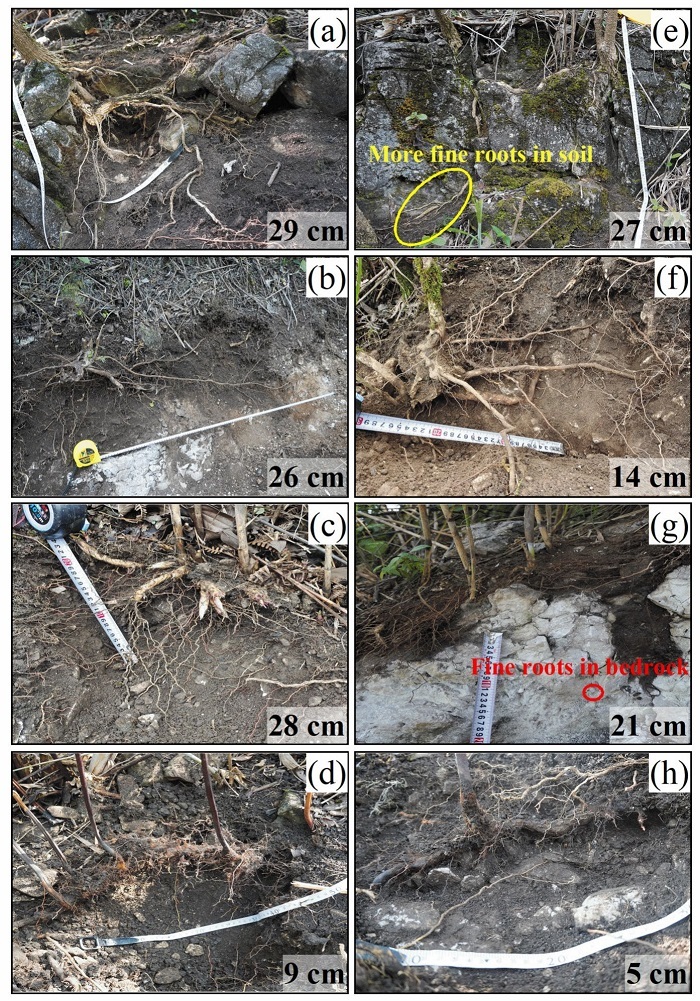 Soil-Rock Structure Controls on Plant Water Adaptation Strategies in Karst Regions, Study FindAs global vegetation greening continues to accelerate, ensuring the long-term sustainability and stability of ecosystems has become a central challenge in terrestrial ecosystem research., Karst region in Southwest China, one of the most actively recovering vegetation zones in the world, and also a complex soil-rock structure, where plant survival and growth are shaped not only by climate but also profoundly by the underlying soil-rock structure. However, the mechanisms by how rock-soil structures mediate species coexistence and water use strategy differentiation remained unclear. This knowledge gap has limited the assessment of plant water adaptation strategies in complex habitats.Apr 24, 2026
 -
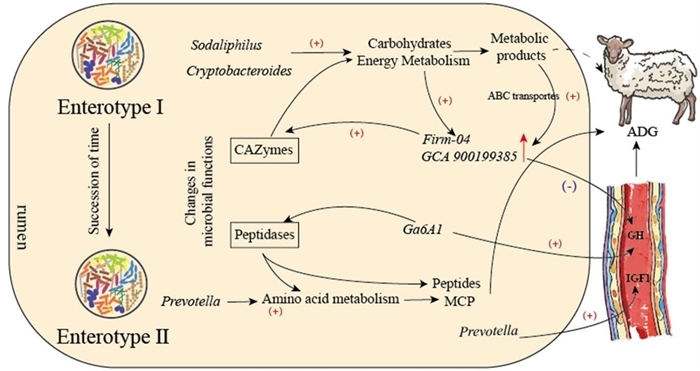 Scientists Uncover the Critical Microbioal Makers Associated with Growth Performance in Hulunbuir SheepA team led by Prof. TAN Zhiliang from the Institute of Subtropical Agriculture, Chinese Academy of Sciences, delineated the temporal succession patterns of rumen microbiota and explore its correlation with average daily gain (ADG)—a key indicator of growth performance.Apr 13, 2026
