

Research Progress
-
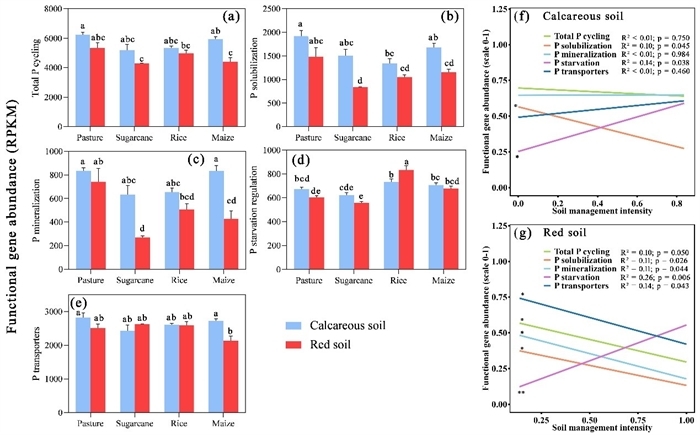 Uncovering the Causes of Farmland Phosphorus Limitation: Insights from Phosphorus-Cycling MicrobesA researcher team led by Prof. WANG Kelin from the Institute of Subtropical Agriculture of the Chinese Academy of Sciences conducted a regional-scale sampling in a karst region in southern China,,and revealed the microbial mechanisms that limit the phosphorus (P) cycle in farmland soils.Feb 04, 2026
 -
 Mapping 44,000 Viruses in Ruminants: Gastrointestinal Region Trumps Host SpeciesA large-scale population metagenomic study has shed new light on spatial heterogeneity of viral communities across the gastrointestinal tracts of ruminant, which tightly interwoven with the history of humans.Jan 15, 2026
 -
 Researchers Unlock a Novel Mechanism Underlying the Impacts on Lake Water EnvironmentsA recent study led by Prof. Xie Yonghong’s team at the Institute of Subtropical Agriculture, Chinese Academy of Sciences, has uncovered that the universal Chl-a-nutrient model established based on global large-scale, long-term lake datasets are not applicable to river-connected lakes.Jan 12, 2026
 -
 Scientists Identify Lithology as Key Driver of Forest Species Compositional variations Between Communities in Southwestern ChinaDec 30, 2025
 -
 Scientists Uncover How Phosphorus Migration and Transformation in Wetland SystemsA reasearcher team led by Prof. Xie Yonghong from the Institute of Subtropical Agriculture Chinese Academy of Sciences, reveals the regulatory mechanism of aquatic vegetation types on the migration and transformation of pollutant phosphorus under gradient nutrient loadings.Dec 26, 2025
 -
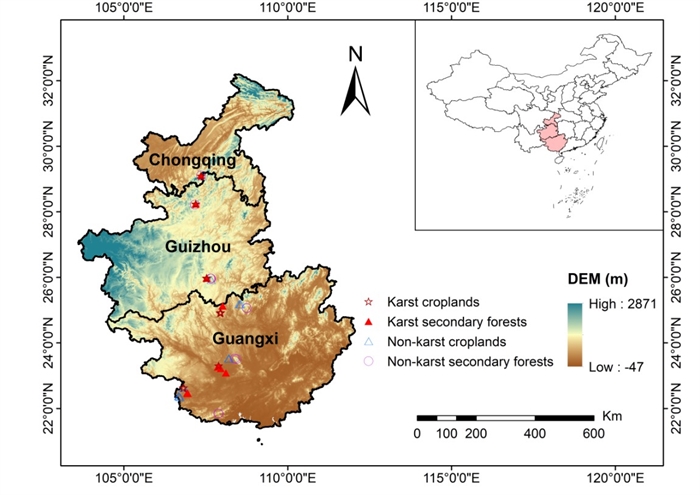 New Insights into How Multitrophic Organisms Adapt to Phosphorus Limitation in Subtropical EcosystemsA research team led by Prof. Kelin Wang from the Institute of Subtropical Agriculture, Chinese Academy of Sciences, has made significant progress in understanding how multitrophic organisms adapt to phosphorus (P) limitation in subtropical ecosystems. Their findings, published online in Journal of Advanced Research, shed light on mechanisms to alleviate P limitation in fragile subtropical ecosystems.Nov 21, 2025
 -
Researchers Find the Key Hydrological of Wetland Vegetation Restoration in River-connected LakesA research team led by Professor Xie Yonghong from the Institute of Subtropical Agriculture, Chinese Academy of Sciences has found that the Hydrological condition at the outlet is the key driver of vegetation succession after the Three Gorges Project in Dongting Lake.Nov 04, 2025
-
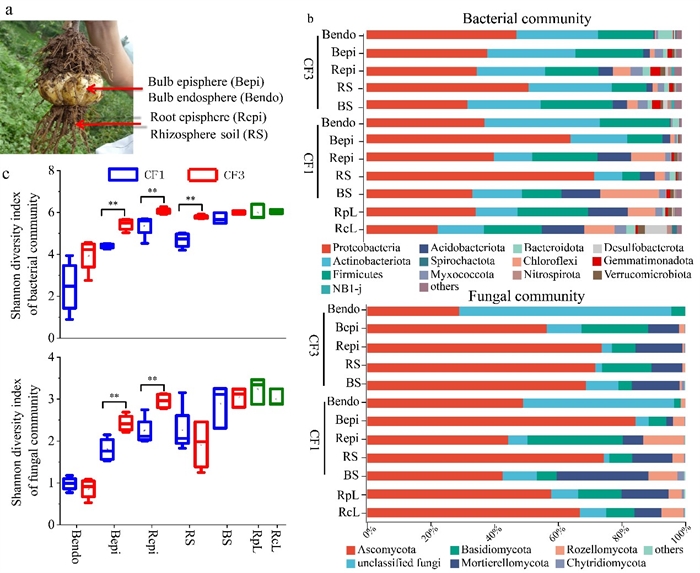 Engineered Endophytic Microbiomes Boost Crop Health and Suppress Soil-Borne Diseases: A Research BreakthroughA team of Chinese scientists has demonstrated that designed synthetic microbial communities (SynComs) can significantly enhance crop growth and suppress soil-borne diseases. The findings, published in Horticulture Research by researchers from the Institute of Subtropical Agriculture, Chinese Academy of Sciences, reveal a promising biocontrol strategy.Nov 04, 2025
 -
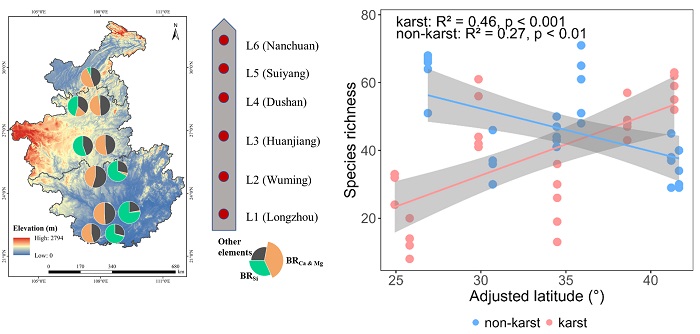 Calcium Rich Karst Bedrock Reshapes the Latitudinal Pattern of Forest Species DiversityA new study led by Prof. Chen Hongsong at the Institute of Subtropical Agriculture, Chinese Academy of Sciences, has revealed that calcium rich bedrock can reshape the latitudinal diversity gradient (LDG) within karst forests. These findings provide empirical evidence that geodiversity can modulate or even overturn the traditional LDG by altering soil formation and nutrient availability.Oct 30, 2025
 -
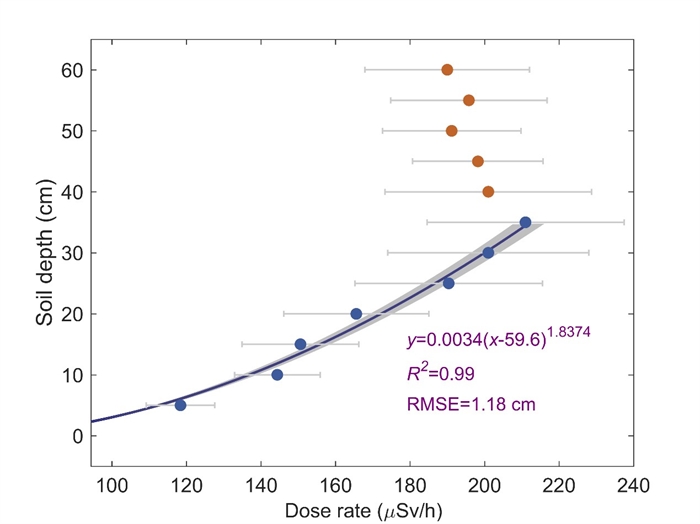 New Progress in Estimating Soil Thickness on Karst Dolomite SlopesRecently, significant progress has been made in the study of soil thickness estimation on karst dolomite slopes by the research team led by Prof. Wang Kelin from the Institute of Subtropical Agriculture, Chinese Academy of Sciences, in collaboration with the Institute of Mountain Hazards and Environment, CAS, and other institutions. The study was conducted at the Huanjiang Karst Ecosystem Observation and Research Station in Guangxi. The findings have been published in the international journal Catena.Sep 25, 2025
