

Research Progress
-
Environmental Factors Explain Great Variation of Soil Organic Carbon in Natural Vegetation Restoration in Subtropical Karst RegionResearchers from the Institute of Subtropical Agriculture, Chinese Academy of Sciences(ISA) measured the effects of environmental factors under managed vegetation restoration (forage grassland and plantation forest) and natural vegetation restoration (natural grassland, shrubland, and secondary forest)) on SOC in a karst catchment, southwest China.Jan 31, 2018
-
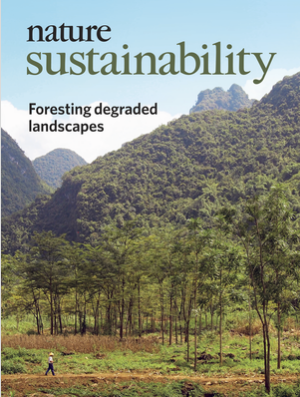 Ecological Engineering Projects Increase Vegetation Growth and Carbon Stock in Southwest ChinaThe researchers found a widespread increase in vegetation cover and aboveground biomass carbon, which contrasted negative trends found in the absence of anthropogenic influence as simulated by an ecosystem model.Jan 19, 2018
 -
Serine, a Promising Prophylactic Agent, might Exert Beneficial Effects on Inflammatory Bowel Disease?Researchers in the Institute of Subtropical Agriculture, Chinese Academy of Sciences (ISA) investigated the e?ects of serine on in?ammatory response and barrier dysfunction in lipopolysaccharide (LPS)-induced intestinal inflammation.Jan 05, 2018
-
Serine Prevents Hepatic Oxidative Stress in High-fat Diet-induced Nonalcoholic Fatty Liver DiseaseResearchers in the Institute of Subtropical Agriculture, Chinese Academy of Sciences(ISA) investigate the effects of serine supplementation on GSH synthesis and oxidative stress in high-fat diet-induced (HFD-induced) mouse model of NAFLD and its related mechanisms were explored.Jan 03, 2018
-
An Ideal Irrigation Management Method to Increase Soil Carbon FixationThe research group tried to investigate the interactive effect of P fertiliser and irrigation management on CO2 fixation autotrophs in a P-limited paddy soil.Nov 28, 2017
-
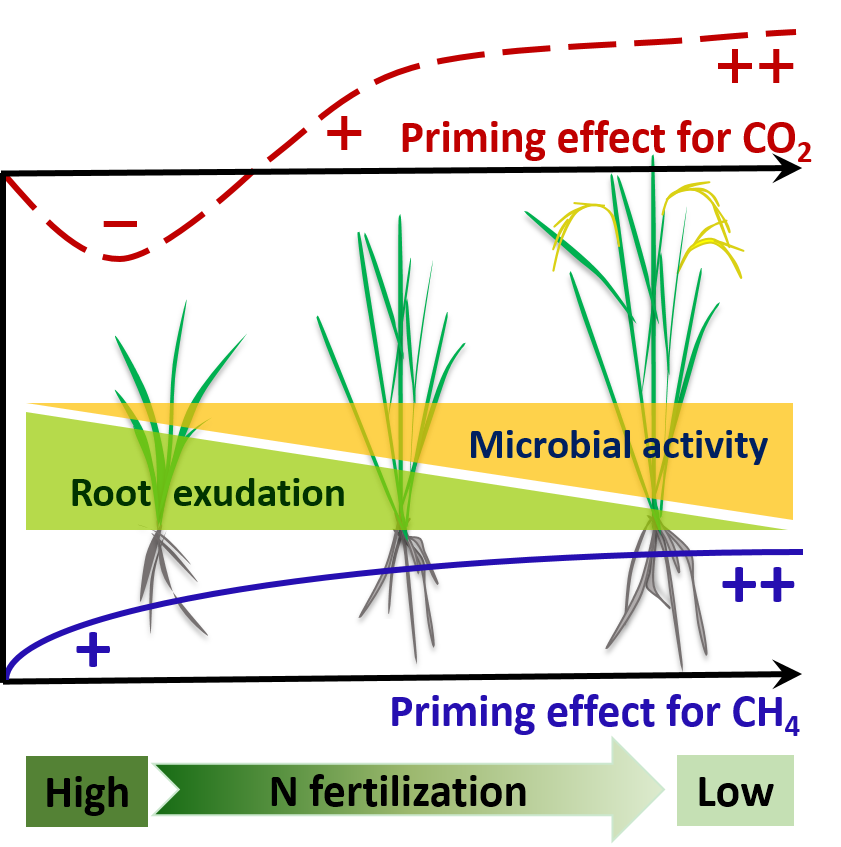 Effect of Rice Rhizodeposition on Organic Matter Decomposition in Paddy SoilResearchers in the Institute of Subtropical Agriculture, Chinese Academy of Sciences (ISA) invented a CO2 and CH4 trapping system and employed 13C continuous labelling techniques to investigate how N fertilization influence RPE on CO2 and CH4 release from in a paddy field ecosystem.Nov 27, 2017
 -
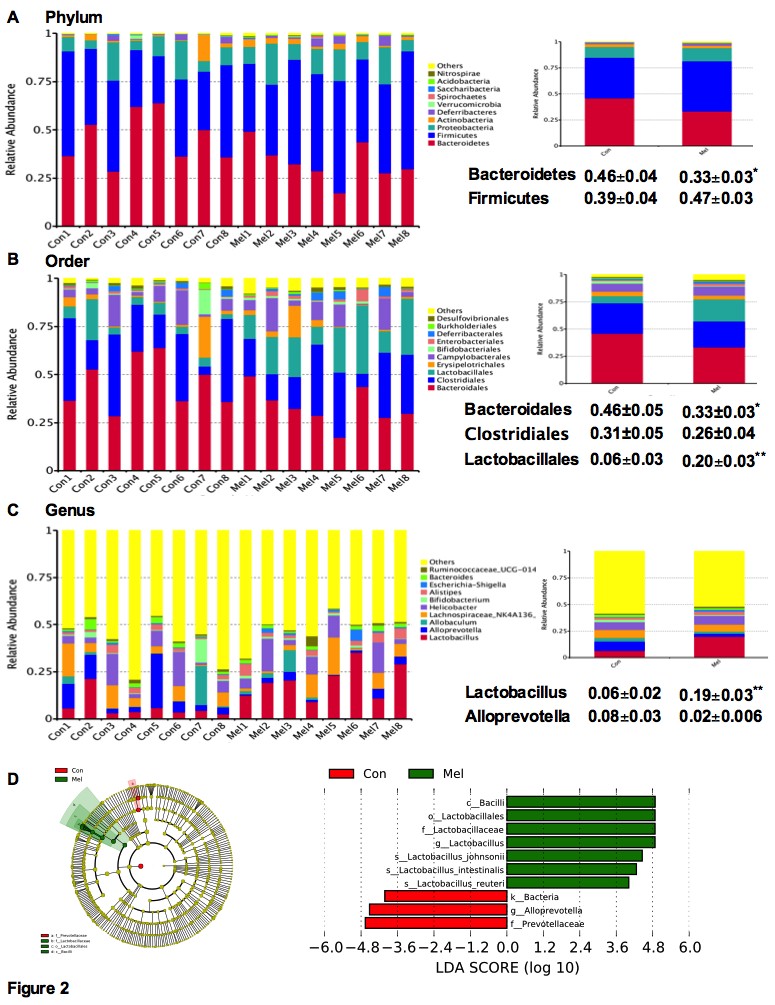 Melatonin: a Promising Hope for Weanling StressRecently, a team of researchers from the Institute of Subtropical Agriculture, Chinese Academy of Sciences (ISA), Third Military Medical University,Yangzhou University,and University of Texas Health Science find that melatonin shows significant beneficial effects in weanling stress. Melatonin supplementation significantly improves the body weight gain and intestinal morphology for mice suffering from weanling stress.Oct 10, 2017
 -
Dietary Supplementation of Serine--a Non-essential Amino Acid being Neglected, can Alleviate Oxidative StressA team of researchers from the Institute of Subtropical Agriculture, Chinese Academy of Sciences (ISA) studied the effects of supplementation with serine in water on oxidative damage and its relative mechanisms in a mouse model of diquat-induced oxidative stress.Oct 09, 2017
-
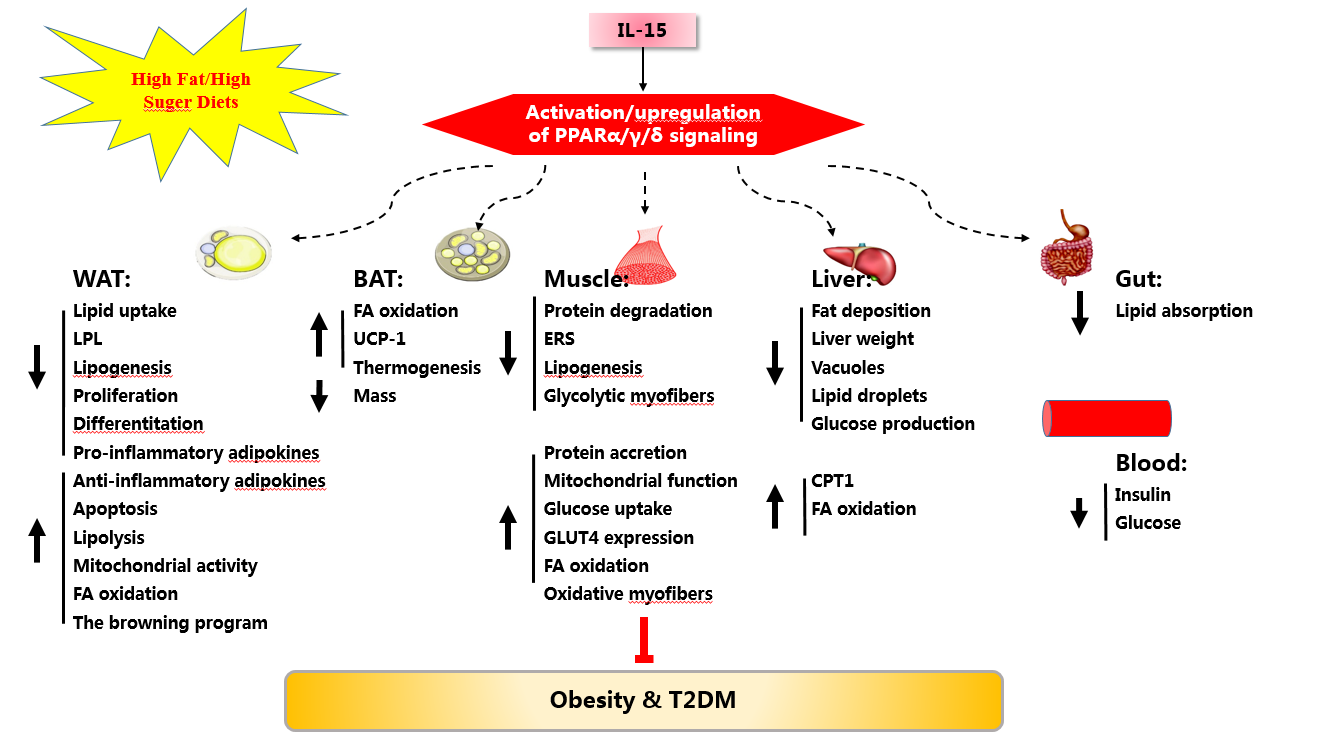 IL-15: A Novel Regulator of Obesity in HumansTraditionally, strategies for treating obesity have mainly focused on dietary and lifestyle modifications such as caloric restriction and increasing physical activity. However, in the long term, it is not an effective treatment strategy for obesity to simply monitoring an individual’s caloric intake and/or activity level. Thus, it is of urgent need to identify effective and novel therapeutics and preventative strategies involved in conquering this disease state.Aug 22, 2017
 -
Response of Various Adipose Depots to Branched-chain Amino Acids Supplementation: Evaluation in a Piglet Modelstudy in piglets has found that branched-chain amino acids (BCAA) supplementation in low-protein (LP) diets could alter the body fat condition, and this effect was likely modulated by the expression of lipid metabolic regulators in dorsal subcutaneous adipose (DSA), abdominal subcutaneous adipose (ASA), and perirenal adipose (PRA) tissues in a depot-specific manner. These findings, by researchers at the Institute of Subtropical Agriculture of the Chinese Academy of Sciences, have been published in Journal of Agricultural and Food Chemistry.May 19, 2017
