

Research Progress
-
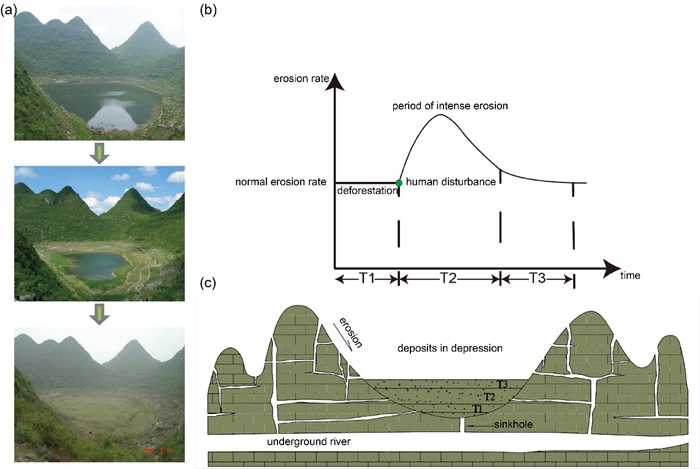 Human Disturbance Intensified the Erosion and Sediment Production of Karst Depressions During the Historical Period, New StudyRecently, the research team led by Prof. Wang Kelin from the Institute of Subtropical Agriculture, Chinese Academy of Sciences pioneeringly analyze the surface process and the causes of human disturbance in the watershed in the historical period based on the filling process in karst depression and the historical environmental information of sediment. An important progress was made in the impact of human disturbance on soil erosion in the karst region of southwest China during the historical period.Sep 27, 2024
 -
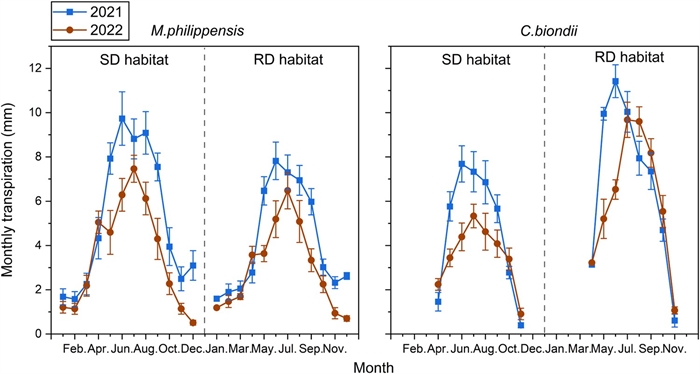 How the Rock Plant Absorb Rock Moisture to Maintain TranspirationIn the previous studies, Prof. Chen Hongsong from the Institute of Subtropical Agriculture of Chinese Academy of Sciences, led the team to found that some plants in the soil-dominated habitat (called soil plants) usually preferred to absorb the shallow layer water, while in the rock-dominated habitat others (called rock plants) could rely on deep layer water to alleviate water stress. “Now, we try to quantified the effects of soil and epikarst water on transpiration based on the physiological characteristics of root and leaf in karst region in southwest China.” Prof. Chen said.Sep 26, 2024
 -
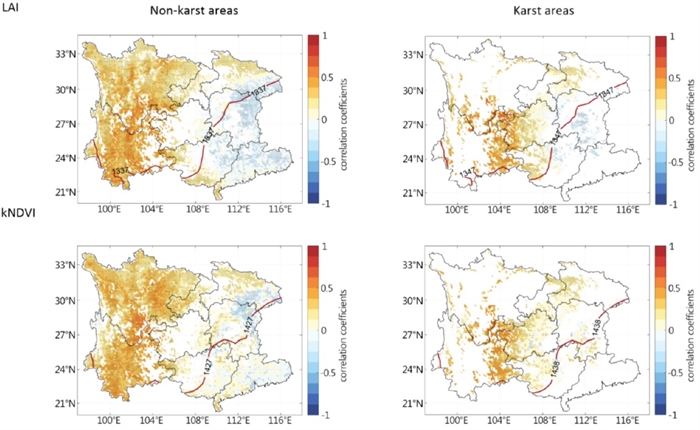 Precipitation Sensitivity Thresholds Clarified for Vegetation Growth in KarstLarge-scale ecological projects have significantly “greened” the karst region in Southwest China over the past 20 years. However, the fragile geological setting, the frequent occurrence of extreme droughts in recent years, in the context of global climate change, has increased uncertainty and risk in the recovery and growth of vegetation.Sep 12, 2024
 -
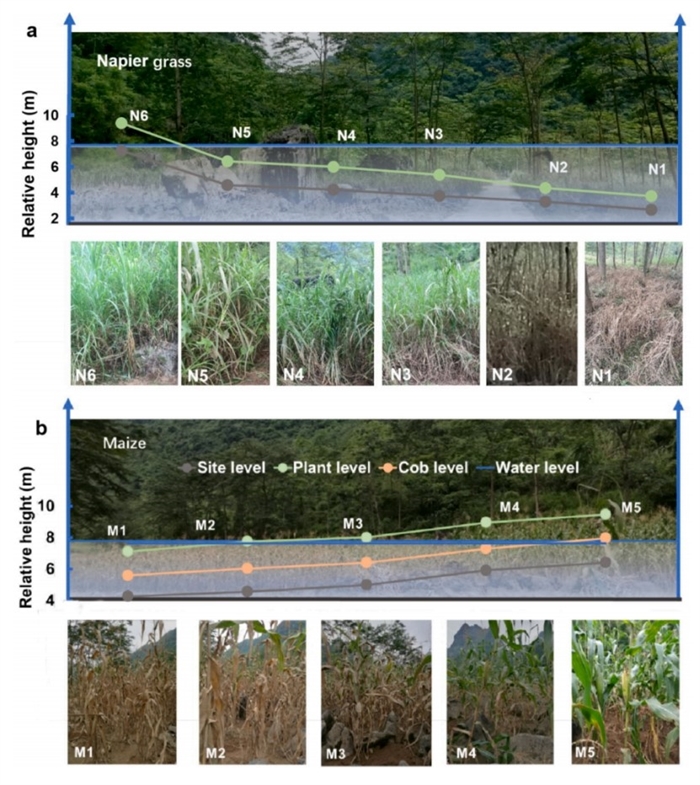 Progress in Flood Risk Management for Southwest China's Karst Agriculture EcosystemsA Researcher team led by Dr. Xu Xianli, from the Institute of Subtropical Agriculture, Chinese Academy of Sciences, have made significant progress in understanding how agricultural ecosystems in the karst depressions of Southwest China respond to flood risks.Sep 09, 2024
 -
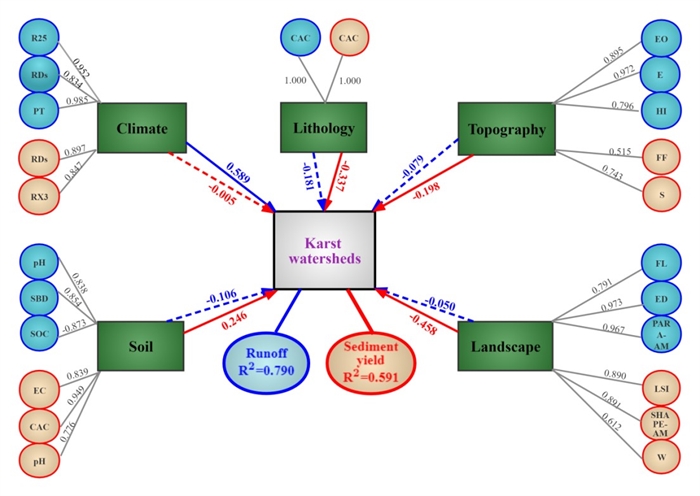 Researchers Separated the Key Factors Influencing Runoff and Sediment Yield Changes in Different Karst WatershedsRecently, researchers led by Prof. Kelin WANG from the Institute of Subtropical Agriculture, Chinese Academy of Sciences, demonstrated that the spatial variation and controlling factors of runoff and sediment yield (SY) in different karst watersheds were quantitatively analyzed.Sep 04, 2024
 -
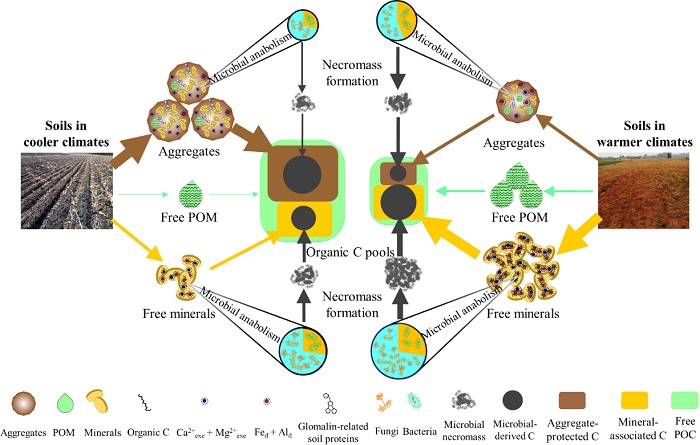 Researchers Uncover the Mechanism of Organic Carbon Protection in Agricultural Soils across Eastern ChinaResearchers from the Institute of Subtropical Agriculture, Chinese Academy of Sciences, in partnership with international colleagues, made strides in reveal soil organic carbon sequestration mechanisms in Eastern China.Aug 12, 2024
 -
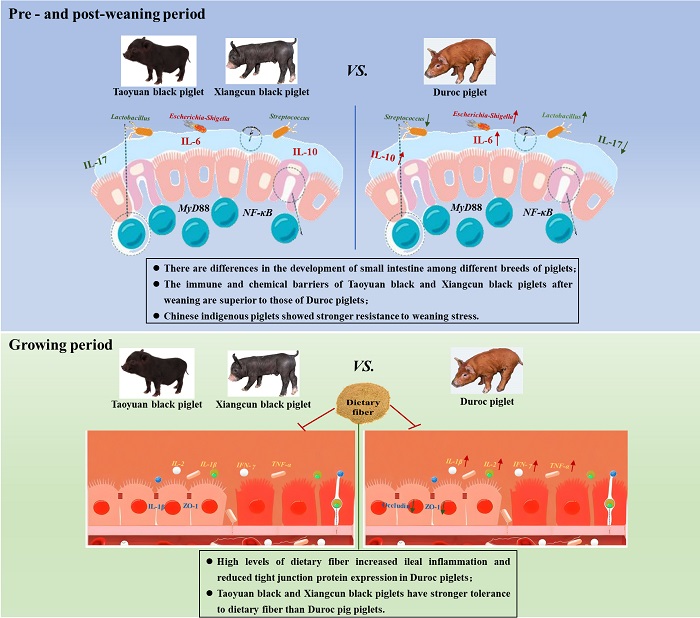 Scientists Decode Weaning Resistance of Chinese Indigenous PigletsA research group led by Prof. Xiangfeng Kong from the Institute of Subtropical Agriculture of the Chinese Academy of Sciences systematically investigated the differences in the development of intestinal barrier and the regulatory mechanism of dietary fiber in three different breeds of pigs (Taoyuan black, Xiangcun black, and Duroc), and found that there were differences in intestinal development., Local pig breeds presented stronger resistance to weaning stress than the foreign pig breed.Aug 12, 2024
 -
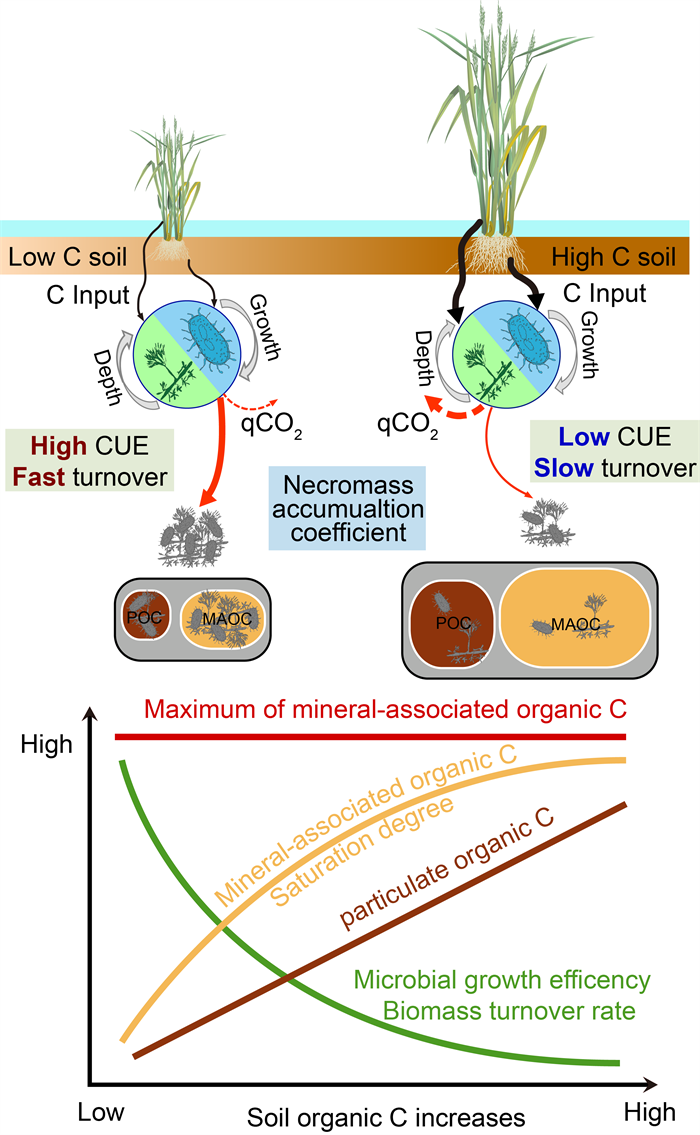 New Study Uncovers How Microbial Metabolic Capacity Regulates Mineral-Associated Organic Carbon Accrual in Subtropical Paddy SoilsIn the most recent study published in Soil Biology and Biochemistry on May 27th, researchers led by Prof. Wu Jinshui from the Institute of Subtropical Agriculture, Chinese Academy of Science , collected subtropical paddy soil samples along the organic C gradient ranging from 4.0 to 40.1 g kg-1 to investigate the relationship between MAOC accrual and microbial metabolism using a combination of size fractionation, 18O-H2O incubation, and biomarker techniques analyses.Jun 06, 2024
 -
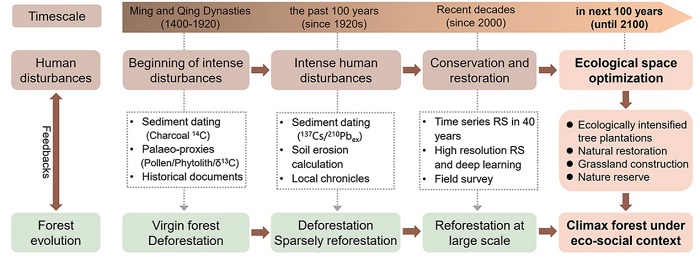 A New Socio-Ecological Framework for Sustainable Reforestation in Karst RegionsResearchers led by Prof. WANG Kelin from the Institute of Subtropical Agriculture, Chinese Academy of Sciences, have proposed a socio-ecological framework to enhance the sustainability of ecological restoration in karst regions under geological constraints.Jun 06, 2024
 -
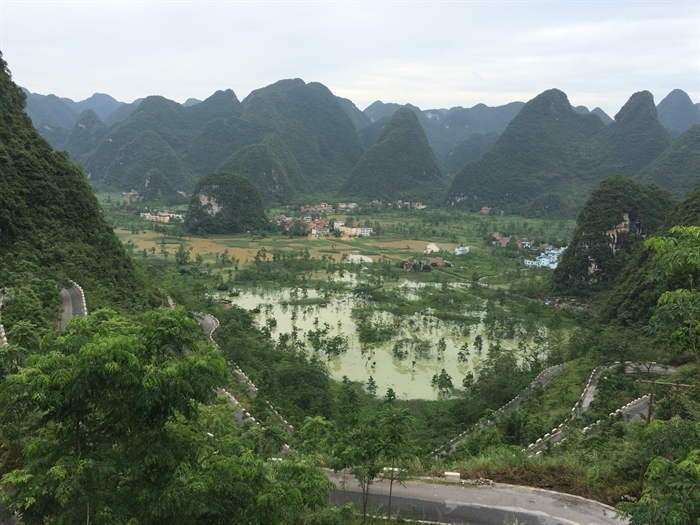 Chinese Researchers Issue Critical Warning on Groundwater Flooding RisksIn a recently letter published in Science, researchers led by Prof. Yunpeng Nie from Huanjiang Observation and Research Station of Karst Ecosystem, the Institute of Subtropical Agriculture of the Chinese Academy of Sciences (ISA), issued a critical warning of the risks of groundwater flooding. They called for comprehensive water management to address groundwater floods effectively. Notably, this is the third time that Science has published a paper related to the karst eco-environment in southwest China.May 15, 2024
