

Research Progress
-
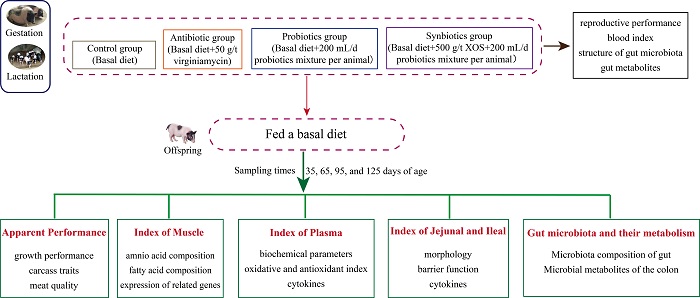 Effects and Mechanisms of Probiotics/Synbiotics on Regulating Intestinal Health and Meat Quality of Offspring Bama Pigs Through "Mother-Offspring Integration"Recently, a research team led by professor Xiangfeng Kong from the Institute of Subtropical Agriculture, Chinese Academy of Sciences, systematically studied the effects of dietary probiotics and synbiotics supplementation during gestation and lactation on Bama mini-pigs and explored the mechanism from the aspects of nutrient metabolism, intestinal microecology, and gene expression.Dec 30, 2022
 -
What Can Reflect Shaziling Pigs’ Meat Quality Traits?Recently, a team of researchers from China Agricultural University and the Institute of Subtropical Agriculture (ISA) of the Chinese Academy of Sciences conducted a study to evaluate the composition of amino acids, fatty acids, and metabolic profiles in the longissimus thoracis (LM) muscle sample from Shaziling pigs aged 30, 90, 150, 210, and 300 days, with the aim of investigating the effects of age on the abovementioned parameters and of identifying what can reflect Shaziling pigs’ meat quality traits.Dec 28, 2022
-
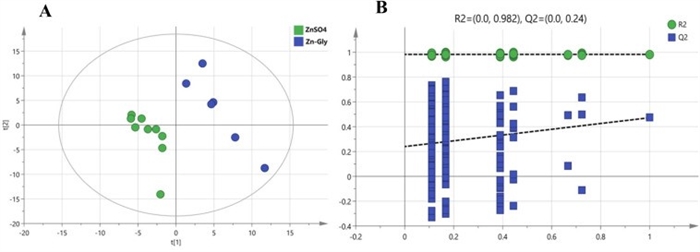 Replacing ZnSO4 with Zn-Glycine In the Diets of Ewe Promotes the Pancreatic Function of the OffspringResearchers from the Institute of Subtropical Agriculture (ISA) of the Chinese Academy of Sciences investigated the effects of replacing inorganic Zn (ZnSO4) with organic Zn (Zn-Glycine) in the diets of ewe on the pancreatic function of the offspring. They found that pancreatic zinc contents in kids tended to be increased when replacing ZnSO4 with Zn- Glycine. The serum insulin concentrations were greater and the glucagon were less in the Zn- Glycine group when compared to ZnSO4 group. The activities of lipase and chymotrypsin were enhanced when replacing ZnSO4 with Zn-Glycine.Nov 08, 2022
 -
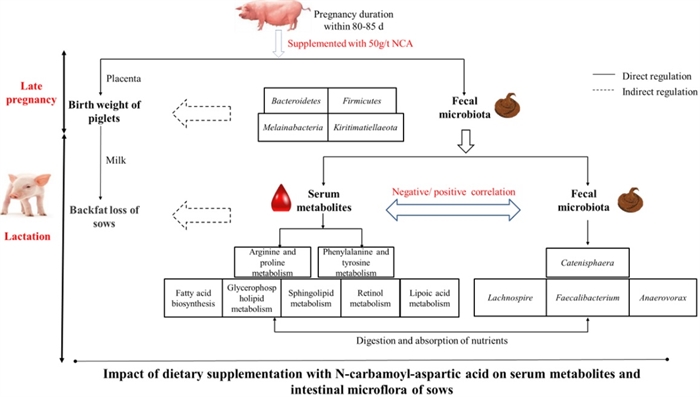 Dietary Nucleotide Offers New Insight for Sows BreedingRecently, researchers from the Institute of Subtropical Agriculture, Chinese Academy of Sciences, systematically studied the feeding effects of dietary nucleotides in sows and discussed its mechanism of placental transport, nutrient metabolism, intestinal development, and other aspects.Oct 21, 2022
 -
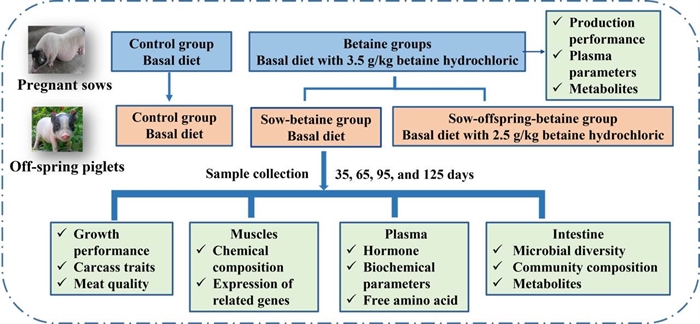 Dietary Betaine offers New Insight for Local Bama Mini-pigs BreedingRecently, Xiangfeng Kong 's research team from the Institute of Subtropical Agriculture, Chinese Academy of Sciences, systematically studied the feeding effects of dietary betaine in sows and piglets diet on Bama mini-pigs and discussed its mechanism of hormone secretion, nutrient metabolism, intestinal microecology, gene expression, and other aspects. This team found that dietary betaine supplementation can improve the composition of colostrum and intestinal microecology of sows, and regulate the body's nutritional metabolism and reproductive hormone secretion, thereby improving the reproductive performance of sows. Dietary betaine can also enhance the body's immune function and antioxidant properties, improve intestinal microecology, and regulate the secretion of hormones and nutrient metabolism, thereby promoting the growth and development of suckling piglets.Jan 15, 2022
 -
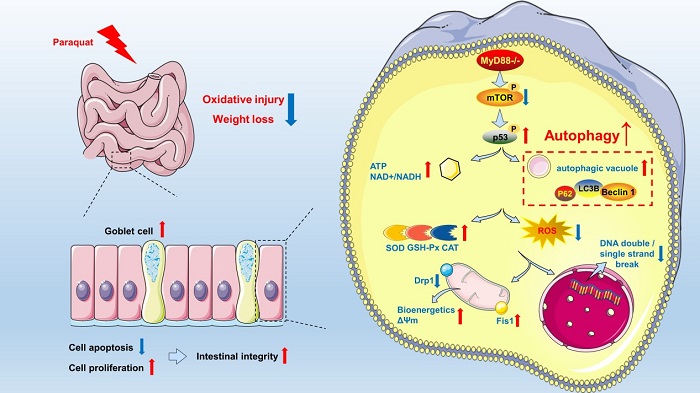 Study Reveals Protective Effects of Targeting Intestinal MyD88 on Intestinal Oxidative Injury-induced Weight LossRecently, a research team from Institute of Subtropical Agriculture, Chinese Academy of Sciences and Hunan Agricultural University revealed that intestinal MyD88 deficiency ameliorated intestinal oxidative injury. The main findings of this study include: 1) Intestinal MyD88 deficiency ameliorated intestinal mitochondrial dysfunction and DNA damage during PQ exposure; 2) There was a marked decrease in ROS in MyD88-deficient cells during PQ exposure, which were consistent with high activity of antioxidative enzymes; 3) Intestinal MyD88 deficiency effectively ameliorated weight loss caused by intestinal oxidative injury in an autophagy-dependent manner.Dec 07, 2021
 -
Researchers Reveal the Associations of Response Time with the Accuracy of Recording Feeding Behavior in Dairy CowsResearchers from the Institute of Subtropical Agriculture (ISA) of the Chinese Academy of Sciences investigated the hypothesis that unrecorded period of feed intake was not the major factor to influence accuracy of recording daily feed intake in monitoring system, when response time after trigger of cow was increased.Nov 11, 2021
-
Researchers Reveal the Associations of Ruminal Hydrogen and pH with Fiber Digestibility Induced by Increasing Starch Intake in Beef CattleResearchers from the Institute of Subtropical Agriculture (ISA) of the Chinese Academy of Sciences investigated the hypothesis that increasing starch intake can inhibit fiber digestibility through decreasing ruminal pH, increasing dissolved H2 (dH2) concentration and altering microbiota in the rumen.Nov 11, 2021
-
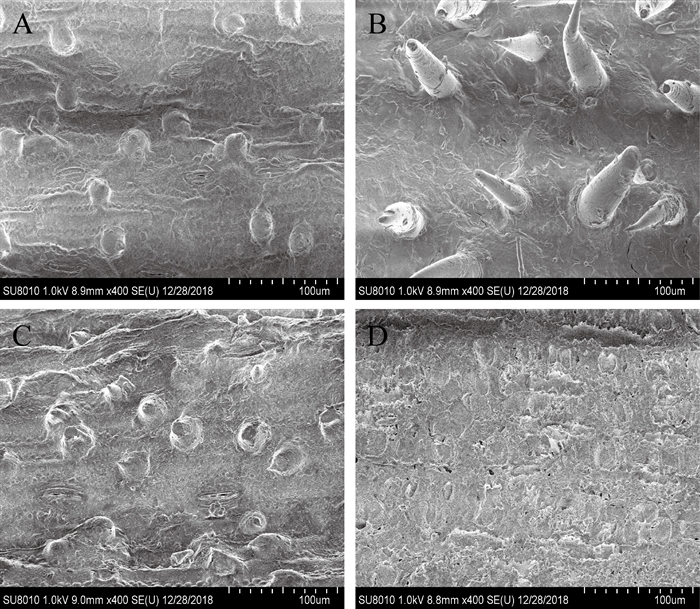 Fibre Degradation Is Associated with Rumen Dissolved Hydrogen in Growing Beef Bulls Fed by Two Types of ForagesResearchers from China Agricultural University and the Institute of Subtropical Agriculture (ISA) of the Chinese Academy of Sciences investigated the relationship between dissolved hydrogen and fiber digestion in beef cattle fed with two types of forages (napier grass and corn stover) with different fiber structure.Nov 11, 2021
 -
Sucrose Supplementation Improves Alfalfa Silage QualityResearchers from the Institute of Subtropical Agriculture (ISA) of the Chinese Academy of Sciences investigated the effects of sucrose supplementation alone on ensiling characteristics and bacterial community compositions of alfalfa silage. It was found that the ensiling time significantly decreased the crude fiber content, and increased the ammonia nitrogen, acetic acid content, and the relative abundance of Enterococcus in the silages. Supplementing alfalfa silage samples with different doses of sucrose decreased their pH levels and NDF, propionic acid, and butyric acid content. There was an increment in the RFV levels with the increments of the sucrose supplementations. Furthermore, the reduced levels of butyric acid suppressed harmful bacteria and the relative abundance of Lactobacillus and Enterococcus in the silage increased. All results suggested that sucrose supplementation could improve increasing its beneficial bacterial content and the feeding quality of alfalfa silage.Nov 09, 2021
